
Pearson+ LogoPearson+ Logo
Ch. 34 - Plant Form and Function
Freeman - Biological Science 8th Edition
Freeman8th EditionBiological ScienceISBN: 9780138276263Not the one you use?Change textbook
Chapter 34, Problem 16f

Plants experience a vast array of conditions that can alter their growth and development, including temperature and availability of water, nutrients, and light. They are also exposed to pollutants such as acid rain formed largely as a result of burning fossil fuels and volcanic eruptions. Acid rain can strip minerals and nutrients from the soil and eat away the outer waxy layer of tissue that protects a plant. Acid rain is still a major environmental problem in certain regions. How does acid rain affect plant growth?
Beyond primary and secondary growth, what other aspects of plant growth might be negatively affected when plants are exposed to environmental stress?

Verified step by step guidance
1
Understand the composition of acid rain: Acid rain is primarily composed of sulfuric and nitric acids, which are formed when sulfur dioxide (SO2) and nitrogen oxides (NOx) react with water vapor in the atmosphere. These acids can lower the pH of rainwater, making it more acidic.
Examine the impact on soil chemistry: Acid rain can leach essential nutrients such as calcium and magnesium from the soil, reducing its fertility. This nutrient depletion can hinder plant growth by limiting the availability of vital minerals needed for various physiological processes.
Consider the effect on plant tissues: The acidic nature of acid rain can damage the waxy cuticle on leaves, which serves as a protective barrier against pathogens and water loss. This damage can increase susceptibility to diseases and reduce the plant's ability to retain moisture, affecting overall growth.
Explore the impact on photosynthesis: Acid rain can alter the availability of nutrients that are crucial for photosynthesis, such as nitrogen and phosphorus. Additionally, damage to leaf tissues can impair the plant's ability to capture sunlight efficiently, thereby reducing photosynthetic rates and energy production.
Assess the broader ecological consequences: Beyond individual plant growth, acid rain can affect entire ecosystems by altering species composition and reducing biodiversity. Plants that are less tolerant to acidic conditions may decline, leading to shifts in community dynamics and affecting food webs.

Verified video answer for a similar problem:

This video solution was recommended by our tutors as helpful for the problem above.
Video duration:
1m
Was this helpful?

Key Concepts

Here are the essential concepts you must grasp in order to answer the question correctly.

Acid Rain

Acid rain is precipitation with a lower pH than normal, caused by atmospheric pollution from sulfur dioxide and nitrogen oxides. These pollutants originate from burning fossil fuels and volcanic eruptions. Acid rain can leach essential nutrients from the soil and damage plant tissues, affecting their growth and development.
Recommended video:

Plant Growth

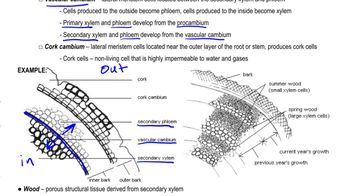
Plant growth involves primary growth, which increases length, and secondary growth, which increases girth. Environmental stressors like acid rain can disrupt these processes by damaging plant tissues and depleting soil nutrients, leading to stunted growth and reduced ability to photosynthesize and reproduce.
Recommended video:
Guided course
06:53
Secondary Growth

Environmental Stress

Environmental stress refers to external conditions that negatively impact plant health, such as extreme temperatures, drought, and pollution. Stress can lead to physiological changes, reduced growth rates, and compromised defense mechanisms, making plants more susceptible to diseases and pests.
Recommended video:
Guided course
10:15
Environmental Tonicity Affects Cells
Related Practice
Textbook Question

Plants experience a vast array of conditions that can alter their growth and development, including temperature and availability of water, nutrients, and light. They are also exposed to pollutants such as acid rain formed largely as a result of burning fossil fuels and volcanic eruptions. Acid rain can strip minerals and nutrients from the soil, and eat away the outer waxy layer of tissue that protects a plant. Acid rain is still a major environmental problem in certain regions. How does acid rain affect plant growth? Which meristem was likely affected in the chinaberry tree?

Textbook Question

Plants experience a vast array of conditions that can alter their growth and development, including temperature and availability of water, nutrients, and light. They are also exposed to pollutants such as acid rain formed largely as a result of burning fossil fuels and volcanic eruptions. Acid rain can strip minerals and nutrients from the soil, and eat away the outer waxy layer of tissue that protects a plant. Acid rain is still a major environmental problem in certain regions. How does acid rain affect plant growth? Give a plausible explanation for the differential effect of acid rain on height in camphor and chinaberry trees (i.e., what structural features might offer more protection from acid rain in one species versus another?).

Textbook Question

Plants experience a vast array of conditions that can alter their growth and development, including temperature and availability of water, nutrients, and light. They are also exposed to pollutants such as acid rain formed largely as a result of burning fossil fuels and volcanic eruptions. Acid rain can strip minerals and nutrients from the soil and eat away the outer waxy layer of tissue that protects a plant. Acid rain is still a major environmental problem in certain regions. How does acid rain affect plant growth?

Based on the results presented here, predict the impact of acid rain on the vascular cambium in the two species.

How would that effect be apparent in the amount of wood produced in the tree trunks?