Pearson+ LogoPearson+ Logo
Ch. 26 - Bacteria and Archaea
Freeman - Biological Science 8th Edition
Freeman8th EditionBiological ScienceISBN: 9780138276263Not the one you use?Change textbook
Chapter 26, Problem 10

Suppose that you've been hired by a firm interested in using bacteria to clean up organic solvents found in toxic waste dumps. Your new employer is particularly interested in finding cells that are capable of breaking a molecule called benzene into less-toxic compounds. Where would you go to look for bacteria that can metabolize benzene as an energy or carbon source? How would you design an enrichment culture capable of isolating benzene-metabolizing species?

Verified step by step guidance
1
Identify potential environments where benzene-degrading bacteria might naturally occur. These environments could include industrial sites, oil spill areas, or other polluted sites where benzene is present. This is because bacteria that can metabolize benzene are likely to have evolved in places where benzene is a common pollutant.
Collect samples from these identified environments. Soil, water, or sediment samples from the contaminated areas are potential sources of benzene-metabolizing bacteria. Ensure that the collection process is sterile to avoid contamination of the samples with foreign microorganisms.
Set up an enrichment culture using the collected samples. Prepare a growth medium that contains benzene as the primary or sole source of carbon and energy. This selective medium will promote the growth of bacteria that can utilize benzene, while inhibiting the growth of those that cannot.
Monitor the enrichment culture for growth and changes. Regularly check the culture for signs of bacterial growth and the breakdown of benzene. This can be done using chemical assays to measure the concentration of benzene and its breakdown products in the culture medium.
Isolate and identify the successful benzene-metabolizing bacteria. Once a thriving culture is established, use microbiological and molecular techniques to isolate pure cultures of the bacteria. Further characterize these isolates to confirm their ability to degrade benzene and to potentially identify any novel mechanisms or pathways they use for benzene metabolism.

Verified video answer for a similar problem:

This video solution was recommended by our tutors as helpful for the problem above.
Video duration:
2m
Was this helpful?

Key Concepts

Here are the essential concepts you must grasp in order to answer the question correctly.

Bioremediation

Bioremediation is the process of using living organisms, particularly microorganisms like bacteria, to remove or neutralize contaminants from the environment. This technique is often employed to clean up polluted sites, such as toxic waste dumps, by harnessing the natural metabolic processes of these organisms to degrade harmful substances into less toxic forms.

Enrichment Culture

An enrichment culture is a method used to isolate specific microorganisms from a mixed population by providing favorable growth conditions that favor the target organism. In the context of isolating benzene-metabolizing bacteria, the culture would be designed to include benzene as the sole carbon source, allowing only those bacteria capable of metabolizing it to thrive while inhibiting others.
Recommended video:
Guided course
02:31
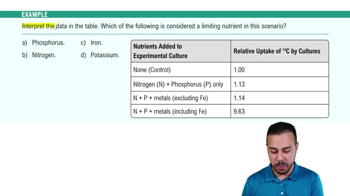
Factors Impacting Primary Production Example 1

Metabolism of Aromatic Compounds

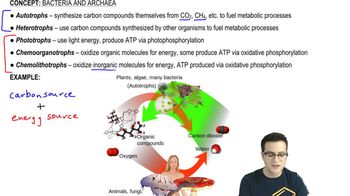
The metabolism of aromatic compounds, such as benzene, involves biochemical pathways that allow certain bacteria to break down these complex molecules for energy and carbon. Understanding these metabolic pathways is crucial for identifying and selecting bacteria that can effectively degrade benzene, as they possess specific enzymes that facilitate the conversion of benzene into less harmful substances.
Recommended video:
Guided course
10:11
Prokaryote Metabolism