Pearson+ LogoPearson+ Logo
Ch. 16 - Conserving Biodiversity
Belk, Maier - Biology: Science for Life 6th Edition
Belk, Maier6th EditionBiology: Science for LifeISBN: 9780135214084Not the one you use?Change textbook
Chapter 16, Problem 12

Most of the nutrients available for plant growth in an ecosystem are
a. Deposited in rain
b. Made available through the recycling of decomposers
c. Maintained within that ecosystem over time
d. B and C are correct
e. A, B, and C are correct

Verified step by step guidance
1
Step 1: Understand the question. The problem is asking about the source of nutrients available for plant growth in an ecosystem. It provides multiple-choice options, and we need to determine the correct one(s).
Step 2: Recall the role of decomposers in ecosystems. Decomposers, such as fungi and bacteria, break down organic matter from dead organisms and waste products, recycling nutrients like nitrogen, phosphorus, and potassium back into the soil for plant use.
Step 3: Consider nutrient cycling within ecosystems. Nutrients are often maintained within an ecosystem through processes like decomposition, nutrient uptake by plants, and the return of nutrients to the soil through decay. This ensures a relatively stable supply of nutrients over time.
Step 4: Evaluate the role of rain. Rain can deposit nutrients, such as nitrogen in the form of nitrates, into an ecosystem. However, this is not the primary source of nutrients for plant growth compared to the recycling of decomposers and nutrient cycling within the ecosystem.
Step 5: Analyze the answer choices. Based on the above steps, the recycling of decomposers (B) and the maintenance of nutrients within the ecosystem (C) are the most significant contributors to plant nutrient availability. Therefore, the correct answer is likely 'd. B and C are correct.'

Verified video answer for a similar problem:

This video solution was recommended by our tutors as helpful for the problem above.
Video duration:
33s
Was this helpful?

Key Concepts

Here are the essential concepts you must grasp in order to answer the question correctly.

Nutrient Cycling

Nutrient cycling refers to the movement and exchange of organic and inorganic matter back into the production of living matter. In ecosystems, decomposers play a crucial role in breaking down dead organic material, releasing nutrients back into the soil, which are then available for plant uptake. This process is essential for maintaining soil fertility and supporting plant growth.
Recommended video:
Guided course
03:25
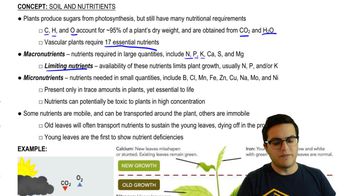
Soil Nutrients

Ecosystem Dynamics

Ecosystem dynamics involves the interactions between living organisms and their physical environment, including the flow of energy and the cycling of nutrients. These interactions help maintain the balance of ecosystems over time, ensuring that nutrients are recycled and available for various organisms, including plants. Understanding these dynamics is key to grasping how ecosystems function sustainably.
Recommended video:
Guided course
03:37
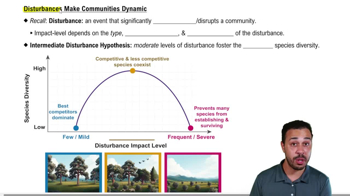
Disturbances Make Communities Dynamic

Nutrient Availability

Nutrient availability in an ecosystem is determined by several factors, including the presence of decomposers, soil composition, and climatic conditions. Nutrients such as nitrogen, phosphorus, and potassium are vital for plant growth and are often made available through decomposition and recycling processes. Recognizing how these nutrients are sourced and maintained is essential for understanding plant nutrition and ecosystem health.
Recommended video:
Guided course
03:25
Soil Nutrients