Pearson+ LogoPearson+ Logo
Ch. 1 - Can Science Cure the Common Cold?
Belk, Maier - Biology: Science for Life 6th Edition
Belk, Maier6th EditionBiology: Science for LifeISBN: 9780135214084Not the one you use?Change textbook
Chapter 1, Problem 12

What features of the story on milk chocolate and heart health described in question 11 should cause you to consider the results less convincing?
a. The study was sponsored by a large milk chocolate manufacturer.
b. A total of 10 rats were used in the study.
c. The only difference between the rats was that human participants of the experimental group received chocolate along with their regular diets, and the human participants of the control group received no additional food.
d. The reporter notes that other studies indicate milk chocolate does not have a beneficial effect on heart health.
e. All of the above.

Verified step by step guidance
1
Step 1: Understand the context of the problem. The question is asking you to evaluate the reliability of a study on milk chocolate and heart health by identifying potential biases or limitations in the study design and reporting.
Step 2: Analyze option (a). Consider the potential conflict of interest. If the study was sponsored by a milk chocolate manufacturer, there may be a bias in the study design, data interpretation, or reporting to favor the sponsor's product.
Step 3: Analyze option (b). Evaluate the sample size. A total of 10 rats is a very small sample size, which limits the statistical power of the study and makes it difficult to generalize the results to larger populations or humans.
Step 4: Analyze option (c). Assess the experimental design. The description suggests that the only difference between groups was the addition of chocolate to the diet. However, the study's focus on rats and the lack of detailed information about human participants' diets and other variables make it unclear how well the results apply to humans.
Step 5: Analyze option (d). Consider the broader scientific context. If other studies contradict the findings of this study, it raises questions about the reliability and reproducibility of the results. Combining all these points, option (e) ('all of the above') is likely the most comprehensive answer.

Verified video answer for a similar problem:

This video solution was recommended by our tutors as helpful for the problem above.
Video duration:
1m
Was this helpful?

Key Concepts

Here are the essential concepts you must grasp in order to answer the question correctly.

Study Sponsorship Bias

When a study is sponsored by a company that stands to benefit from positive results, it raises concerns about bias. This can lead to selective reporting or interpretation of data that favors the sponsor's product, undermining the credibility of the findings.
Recommended video:
Guided course
05:01
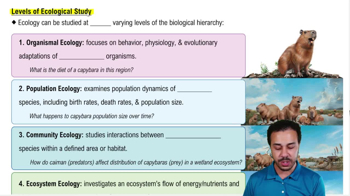
Levels of Ecological Study

Sample Size and Generalizability

A small sample size, such as the 10 rats mentioned, limits the reliability of the study's conclusions. Results from a small group may not be representative of a larger population, making it difficult to generalize the findings to humans or other contexts.
Recommended video:
Guided course
01:22
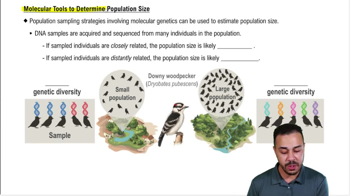
Molecular Tools to Determine Population Size

Contradictory Evidence

The presence of other studies indicating that milk chocolate does not benefit heart health suggests that the findings of the current study may not be robust. When multiple studies yield conflicting results, it is essential to critically evaluate the methodology and conclusions of each to determine the validity of the claims.
Recommended video:
02:27
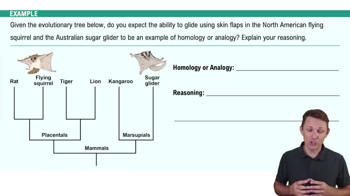
Evidence of Evolution Example 1